
Navigating the modern digital landscape can often feel completely overwhelming. From managing chaotic work schedules to keeping up with rapid tech updates, professionals and everyday creators frequently find themselves drowning in a sea of single-purpose apps. This constant app-switching fractures attention, sours focus, and destroys daily productivity.
Fortunately, a unified approach is changing how we manage our digital ecosystems. Embracing ziimp.com tech provides a much-needed breath of fresh air, consolidating tools into an integrated experience that restores control and workflow clarity. Exploring alternative systems like ziimp.com ensures you stay ahead of the digital curve while protecting your mental clarity and creative energy.
ziimp.com tech
The emergence of ziimp.com tech signals a significant shift away from fragmented digital applications toward highly cohesive software ecosystems. For years, users have had to manage separate apps for task tracking, secure cloud document sharing, and simple project communication, which naturally causes major operational inefficiencies. By contrast, a unified operational setup bridges structural gaps, allowing seamless data flows and real-time project updates across an entire organization.
Implementing comprehensive data integration helps teams easily eliminate repetitive administrative tasks that quietly drain business resources every afternoon. Modern software frameworks rely heavily on flexible, customizable components that instantly adjust to a user’s unique work style without introducing steep learning curves. Prioritizing end-to-end data encryption and minimal design layouts ensures platforms using ziimp.com tech successfully deliver both top-tier digital utility and reliable data peace of mind.
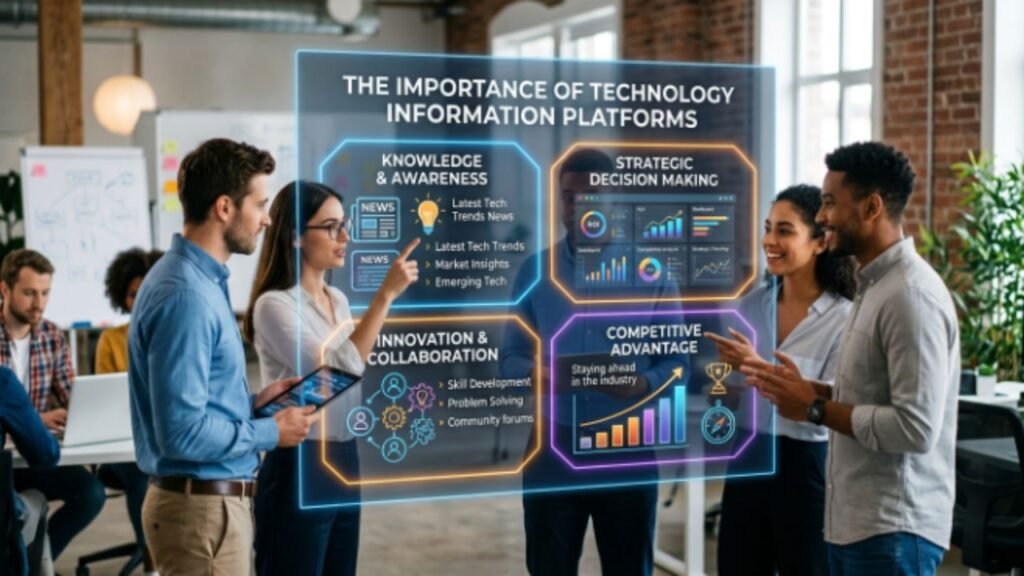
The Importance of Technology Information Platforms
In our current hyper-connected economy, staying well-informed about the latest tech breakthroughs is no longer optional—it is a vital part of personal and professional survival. Specialized online portals and technology information platforms give users deep structural insights into how specific tools operate under heavy operational workloads. These resources break down overly complex corporate whitepapers into highly digestible, practical action items that anyone can implement.
[Raw Technological Innovations]
│
▼
[Technology Information Platforms]
(Analysis & Simplification)
│
┌──────────────┴──────────────┐
▼ ▼
[Enhanced Digital Workflows] [Informed Decision Making]
Without these dedicated analytical channels, a business risks misallocating critical development capital toward obsolete software versions or poorly designed cloud infrastructures. Furthermore, a highly reliable tech information resource serves as a foundational ecosystem that naturally encourages shared knowledge and ongoing professional growth. Having accessible, deeply researched tech documentation is incredibly reassuring when you need to make rapid, high-stakes infrastructure upgrades.
What Are the Most Powerful Features of Modern Workflow Automation?
Workflow automation completely alters how a business handles repetitive data tasks by transferring predictable, rules-based admin work from human employees to intelligent software networks. Enterprise systems can now effortlessly link diverse third-party applications, triggering instant document generations, multi-channel team notifications, and live status dashboard updates without needing human intervention.
| Optimization Metric | Manual Processes | Automated Workflow | Emotional Impact |
| Daily Project Update Time | 45-60 Minutes | Less than 2 Minutes | Complete peace of mind and relief from evening administrative stress |
| Data Entry Error Rates | 4% to 7% Average | Near 0% Absolute | Absolute confidence and pride in the integrity of company records |
| New Employee Onboarding | 14 Business Days | 3 Business Days | Warm, welcoming environment that prevents early burnout |
By eliminating these mundane, repetitive click-tasks, professionals can finally focus on high-level strategic planning, creative problem solving, and genuine relationship building. This modern automation layer works quietly in the background, minimizing data errors while maximizing a team’s total operational output.
Artificial Intelligence Continues to Transform Industries
Artificial intelligence is no longer a futuristic laboratory concept; it is the active engine driving modern global economic transformation. Machine learning algorithms process massive datasets at incredible speeds, spotting subtle structural patterns that even experienced data analysts completely miss. As a result, businesses can confidently make highly strategic, proactive decisions rather than always scrambling to react to shifting market dynamics.
Integrating AI models across various business sectors creates a powerful framework where raw data instantly translates into highly personalized customer experiences. These smart systems constantly refine their internal parameters based on ongoing user interactions, continuously boosting operational accuracy and service relevance over time. This technological evolution fundamentally reshapes how human workforces view and solve long-term operational problems.
AI in Business
Modern corporations use sophisticated machine learning models to optimize complex global supply chains, accurately forecast inventory demands, and deeply analyze evolving consumer behavior patterns. Automating core operational tasks allows companies to significantly lower overhead expenses while maintaining excellent quality standards. Additionally, AI-driven predictive insights give small businesses a distinct competitive edge, helping them pivot quickly in volatile market landscapes.
Generative AI
The rapid rise of generative content engines allows creators to quickly produce high-resolution imagery, complex software code, and deeply engaging marketing materials in seconds. These advanced large language models understand context, tone, and delicate structural nuances, making them incredibly helpful brainstorming partners for busy creative teams. By cutting down initial development times, generative AI helps groups test and refine ideas faster than ever before.
Future AI Applications
Looking ahead, upcoming artificial intelligence developments will focus heavily on achieving autonomous decision-making capabilities across complex fields like advanced medicine and global logistics. We will likely see highly specialized AI assistants that seamlessly manage intricate, multi-step projects with minimal human oversight. As these models become deeply integrated into our daily lives, their overall energy efficiency and moral frameworks will remain central talking points.
Cybersecurity in a Connected World
As our digital systems become more interconnected, keeping sensitive enterprise data safe requires constant vigilance and robust defensive frameworks. Every single endpoint—from an employee’s personal smartphone to a massive cloud storage database—presents a potential entry point for advanced cybercriminals. Organizations must move past basic password protection and adopt zero-trust security postures that thoroughly verify every access request.
Building a strong, multi-layered security system ensures that even if one layer is compromised, your core digital assets remain completely safe. Regular, comprehensive system audits combined with automated threat monitoring help IT teams stop security breaches before they disrupt day-to-day operations. Investing heavily in modern data protection tools preserves your company’s market reputation and long-term customer trust.
Common Cyber Threats
Modern businesses regularly face complex digital threats, including sneaky phishing schemes, aggressive ransomware attacks, and sophisticated social engineering tactics. Cybercriminals constantly update their methods, targeting unsuspecting employees to bypass expensive, enterprise-grade hardware firewalls. Understanding these common attack methods is the first step toward building a truly resilient corporate defense system.
Protecting Digital Assets
To properly safeguard sensitive information, companies must enforce multi-factor authentication protocols, use end-to-end data encryption, and maintain secure, off-site data backups. Regularly patching and updating software applications patches known security vulnerabilities before hackers can exploit them. Ultimately, fostering a workplace culture focused on cybersecurity awareness remains your absolute best defense against digital theft.
How Do Businesses Securely Flip and Transfer Web Properties?
Flipping digital web properties has grown into a highly lucrative industry, but safely moving a digital asset from a seller to a buyer requires a methodical, step-by-step approach to avoid security issues. The entire transfer process requires absolute transparency, secure escrow accounts, and complete domain and data migrations to preserve search visibility and user trust.
| Migration Phase | Key Technical Requirement | Security Mechanism | Emotional Impact |
| Domain Transfer Initiation | Registry lock removal and unique EPP authorization code generation | Secure, verified registrar-to-registrar handoffs | Eliminates the deep anxiety of losing control of a valuable web domain |
| Database & File Migration | Full SQL database export alongside clean media root directory transfers | SSH File Transfer Protocol (SFTP) with strict key authentication | Massive relief knowing years of content are fully preserved |
| AdSense & Revenue Linkage | Clean ad unit code replacement and structural profile verification | Direct platform authorization checks | Excitement and joy as the new owner sees their first live revenue |
Following a structured, secure migration checklist protects both parties’ financial investments. When done right, it guarantees that the web property retains its search engine rankings, traffic history, and earning power through the final handoff.
The Evolution of Consumer Technology
Consumer electronics have evolved from bulky, single-use gadgets into elegant, hyper-connected devices that fit perfectly into our daily routines. This rapid evolution is driven by major breakthroughs in microprocessor design, battery efficiency, and wireless communication standards. Today, consumers expect their personal technology tools to sync instantly, sharing contextual data across multiple platforms without any lag.
[Early Consumer Tech] ──> [Portable Electronics] ──> [Hyper-Connected Ecosystems]
(Single-Use Devices) (Early Smartphones) (IoT, Wearables & Smart Home)
This constant connectivity has changed how we interact with our immediate environments, turning mundane tasks into automated, data-driven experiences. As hardware components shrink and become more power-efficient, consumer tech will merge even deeper into our physical surroundings. This ongoing shift makes digital literacy and mindful device usage more important than ever.
Smartphones
The modern smartphone has easily become the absolute central command hub for contemporary personal and professional life worldwide. These pocket-sized powerhouses handle everything from instant secure banking transactions to high-definition video production and global team collaboration. Continuous upgrades in mobile camera arrays and on-device AI chips ensure these devices stay central to our digital habits.
Wearable Technology
Smartwatches and fitness trackers have successfully turned personal health tracking into a continuous, real-time data experience. By constantly tracking vital metrics like heart rate variability and sleep quality, wearables give users the insights they need to make proactive lifestyle changes. As bio-sensing tech improves, these devices will play an even larger role in preventative medicine and remote patient care.
Smart Home Devices
Intelligent thermostats, voice-activated lighting setups, and automated home security networks have turned traditional living spaces into highly responsive, energy-efficient environments. These connected devices learn your daily habits over time, automatically adjusting temperature and lighting settings to maximize comfort while lowering utility bills. This seamless home integration provides busy modern families with an incredible sense of comfort, safety, and daily convenience.
Which SEO Strategies Attract Highly Profitable AdSense Traffic?
Attracting high-value traffic that generates premium AdSense revenue requires a smart combination of semantic search mapping, clear content layout, and excellent user experience. Publishers must focus on matching search intent precisely, ensuring every article gives readers comprehensive answers that keep them engaged on the page.
- Targeting High-CPC Ad Verticals: Building deep content clusters around valuable industries like commercial insurance, digital finance, and enterprise software naturally commands higher ad click payouts.
- Optimizing Core Web Vitals: Maximizing page loading speeds and eliminating annoying layout shifts keeps bounce rates low, encouraging visitors to read more articles per session.
- Using Semantic Entity Linking: Organizing content structures around recognized industry entities helps search engine crawlers quickly understand the depth and authority of your site.
- Placing Ad Units Strategically: Placing ad blocks naturally within content sections boosts visibility and click-through rates without harming the reading experience.
Focusing on long-term user value over cheap clickbait builds a loyal audience base. This reliable traffic stream keeps your ad monetization steady and predictable month after month.
Cloud Computing and Digital Transformation
Cloud computing serves as the absolute backbone of modern digital transformation, allowing organizations to scale computing resources instantly without maintaining expensive on-premise server hardware. Moving to decentralized cloud environments lets businesses deploy feature-rich applications faster, store massive datasets safely, and connect global teams effortlessly. This flexible model removes traditional IT roadblocks, giving companies the freedom to innovate rapidly.
┌──> Scalable Infrastructure (IaaS)
│
[Cloud Computing Core] ├──> Agile Development (PaaS)
│
└──> Modern Software Delivery (SaaS)
Additionally, cloud platforms offer robust built-in data recovery systems that protect businesses from unexpected local hardware failures or natural disasters. By shifting technology costs from rigid capital investments to adaptable operational expenses, companies can use their budgets more efficiently. Embracing cloud architectures is essential for any modern brand looking to stay resilient and competitive in a digital-first economy.
Emerging Technologies to Watch
The future technological landscape will be defined by a wave of breakthrough innovations that challenge our current ideas of computing and digital connectivity. These emerging fields are rapidly moving from academic research papers into practical, real-world business applications. Keeping a close eye on these trends helps forward-thinking companies prepare for major market shifts before they disrupt traditional business models.
As these distinct technologies mature, they will naturally combine, opening up powerful new possibilities that we are just beginning to imagine. For example, pairing advanced edge computing networks with intelligent smart devices will create incredibly responsive urban environments. Following these rapid developments gives professionals the perspective needed to guide their careers and business investments wisely.
Augmented Reality (AR)
Augmented reality blends digital information directly onto our view of the physical world, changing how we handle workplace training, industrial manufacturing, and retail shopping. By overlaying real-time schematics or 3D product previews onto physical spaces, AR helps users learn faster and work more accurately. As AR glasses become lighter and more affordable, they will become a standard tool across many industries.
Virtual Reality (VR)
Virtual reality completely immerses users in fully simulated digital environments, opening up exciting new doors for remote collaboration, immersive education, and advanced entertainment. VR training platforms let professionals practice complex, high-risk procedures—like surgery or aviation maneuvers—in a safe, controlled environment. Ongoing improvements in display resolutions and motion tracking continue to make these virtual spaces feel incredibly lifelike.
Internet of Things (IoT)
The rapid expansion of the Internet of Things connects billions of physical sensors and smart devices to global data networks, giving industries real-time tracking over physical assets. From smart agriculture sensors that monitor soil moisture to factory components that predict their own maintenance needs, IoT generates the data required to maximize efficiency. This deep connectivity turns passive environments into smart, self-optimizing systems.
Quantum Computing
Quantum computing uses the principles of quantum physics to solve incredibly complex math problems that would take traditional supercomputers thousands of years to process. This massive leap in computing power will completely transform fields like molecular biology, crypto-security encryption, and global logistics optimization. While still in its early stages, quantum hardware development is accelerating fast around the world.
Why Is Programmatic SEO Crucial for Scaling Modern Digital Growth?
Programmatic SEO uses smart database configurations and dynamic content templates to automatically build thousands of high-quality, search-optimized landing pages targeting specific, long-tail search queries. This data-driven approach allows content publishers to capture highly specific local searches at a scale that would be impossible with traditional, manual page creation.
| Operational Scaling Factor | Manual Page Creation | Programmatic Generation | Emotional Impact |
| Publishing Output Capacity | 3 to 5 Detailed Articles Per Day | Over 2,000 Verified Target Pages Per Hour | Thrilling sense of rapid market expansion and business growth |
| Long-Tail Keyword Coverage | Limited to high-volume terms | Catches thousands of specific search variations | Incredible satisfaction watching small, niche search terms drive consistent sales |
| Content Update Speed | Weeks of manual text edits | Instant global database refreshes | Pure relief knowing site data is updated across thousands of pages simultaneously |
When done correctly with unique data sets and helpful search intent mapping, programmatic content strategies build immense search authority. It allows small digital teams to compete effectively with massive corporate brands across thousands of search queries.
Why Technology Awareness Matters
Developing a strong understanding of modern technology trends is a vital skill for navigating today’s fast-paced digital world. Being tech-aware helps individuals spot digital scams, protect their personal information, and make smart choices when buying personal electronics. It removes the mystery behind automated systems, turning tech tools from confusing hurdles into powerful helpers.
Technology awareness transforms modern digital systems from intimidating obstacles into reliable personal allies.
On a professional level, staying updated on new software and automation tools keeps your skillset highly relevant in a shifting job market. It empowers employees to suggest smart, tech-driven solutions that save their companies time and money. Ultimately, staying curious about tech advancements ensures you remain an active, confident participant in our digital society.
What Are the Best Digital Tools for Small Local Businesses?
Small local businesses can significantly boost their foot traffic and local sales by using a few affordable, highly targeted digital tools and local marketing strategies. Setting up clean, automated customer communication channels saves valuable time while keeping local clients happy and engaged.
- Optimized Google Business Profiles: Claiming your local listing and gathering positive reviews helps your business show up prominently when nearby customers search for your services.
- NFC Digital Business Cards: Swapping old paper business cards for modern, tap-to-share digital cards lets you instantly share contact info and review links during face-to-face customer interactions.
- Automated Review Invitations: Using automated text messaging tools to politely ask happy clients for feedback right after a service quickly builds your online reputation.
- Simple Online Booking Engines: Letting clients schedule appointments and services directly through your website completely eliminates back-and-forth phone calls.
Using these simple digital tools helps small, local shops build strong customer relationships. It builds a trustworthy online presence that keeps local clients coming back for years.
The Future of Technology
Looking ahead, the future of technology will be shaped by a deep focus on intelligent automation, sustainable green energy designs, and seamless human-machine collaboration. We will move away from forcing humans to adapt to rigid software limitations, and toward intuitive tools that naturally understand our speech, context, and work goals. This shift will make advanced digital tools accessible to everyone, regardless of their technical background.
[Rigid Legacy Software] ──> [Responsive Apps] ──> [Context-Aware Adaptive Systems]
As we build this hyper-connected future, balancing rapid innovation with strong ethical standards and data privacy protections will be incredibly important. Designing new tools with a focus on human well-being ensures that technological growth truly helps everyone thrive. Embracing these changes with a curious, open mind allows us to build a more efficient, connected, and supportive world.
FAQs
Is Ziimp.com tech suitable for beginners?
Yes, the platform features a highly intuitive interface designed to make digital asset navigation simple for newcomers.
Can Ziimp.com tech replace multiple software tools?
Absolutely, its unified design effortlessly combines project tracking, file sharing, and team communications into a single dashboard.
How secure is my data on Ziimp.com tech?
Security is a top priority, utilizing end-to-end data encryption and strict multi-layered safety protocols.
Does it support team collaboration?
Yes, it offers seamless real-time document editing and multi-user communication channels for global teams.
Are there automation features available?
Yes, users can easily configure automated task notifications and scheduled data updates to streamline workflows.
What is the core philosophy behind ziimp.com tech?
The core philosophy centers on removing digital clutter and app fatigue through intelligent, user-friendly software integration.
How often are system updates rolled out?
System upgrades are delivered automatically on a regular schedule to provide the latest security patches and features.
Conclusion
Embracing modern software innovations like ziimp.com tech is a fantastic way to streamline your daily tasks, eliminate annoying app fatigue, and reclaim valuable creative time. Moving away from messy, disconnected platforms toward unified digital ecosystems helps teams collaborate easily and scale up their operations safely. Exploring alternative workflow setups like ziimp.com keeps your business agile, highly competitive, and ready for future market trends.
Ultimately, finding the right tech balance requires focusing on tools that protect your security, support your goals, and simplify your daily work life. Making smart, deliberate software choices helps you turn technology from a source of daily stress into a powerful asset for long-term professional growth.

Alex Carter is a technology writer covering AI, software, cybersecurity, and digital trends, delivering expert insights and practical guides.